When you find that an electrical outlet has stopped working, it can be a bit scary, especially if there are no outward signs of damage or any noise coming from the outlet to indicate why it quit working. The natural tendency for a novice is to think that something internally complex must have failed somewhere inside the wall. In many cases, it is nothing more than a break in the path of electricity somewhere, which can be detected by a process of elimination. The most important thing to remember is to stay calm and approach the situation as a problem to be solved, not a crisis, unless you detect any signs of burning or heat.
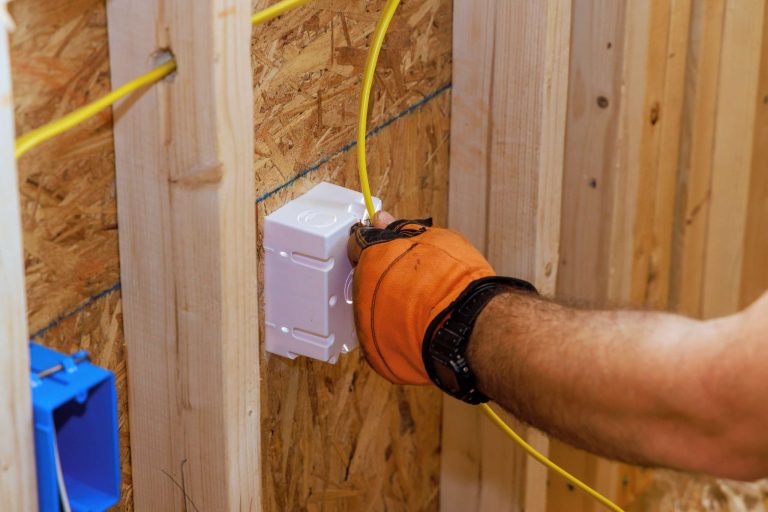
Start by switching off the power to the circuit at the electrical panel. Verify that the outlet is dead before you start working with it. Remove the outlet coverplate and look to see how the wires are connected to the outlet. Check to see if the outlet mounting screws are snug, and if the wire insulation is damaged anywhere. There is a valuable fifteen-minute exercise you can perform. One at a time, pull a wire off of a terminal. Inspect the wire. Then put it back on, making sure that the bare part of the copper wire is pushed all the way under the screw head. Many times this will fix the problem.
It is a common error to think that the problem must be with the outlet when the problem is actually with another outlet or device on the same circuit. Outlets are commonly connected in a daisy chain. If there is a failure somewhere, it may affect two or more outlets. If pulling a connection off and putting it back on does not fix the problem, go to the next outlet on the circuit that is working and check its connections the same way, looking for loose connections or a backstabbed connection that has come loose. Do not force anything. This will just make it worse.
Reattach connections securely, but do not overtighten. Tightening a connection too much can ruin the wire or strip the threads in the outlet, which will make the problem worse than it was to begin with. When you have the connections secure, turn the power back on and test the outlet with a lamp or some other inexpensive device. If you still have a problem, you do not want to risk ruining an expensive appliance.
Work in short intervals of time on electrical problems. If you spend twenty minutes or so tracing the flow of electricity, making sure that each connection is good, and stopping to think about what you are doing, you will be much less likely to make a careless mistake. As you get more experience, you will find that most electrical problems are not that mysterious, and can be solved through careful investigation and logical thinking.